On Page SEO: Building Search Visibility Through Expertise, Structure, and Trust
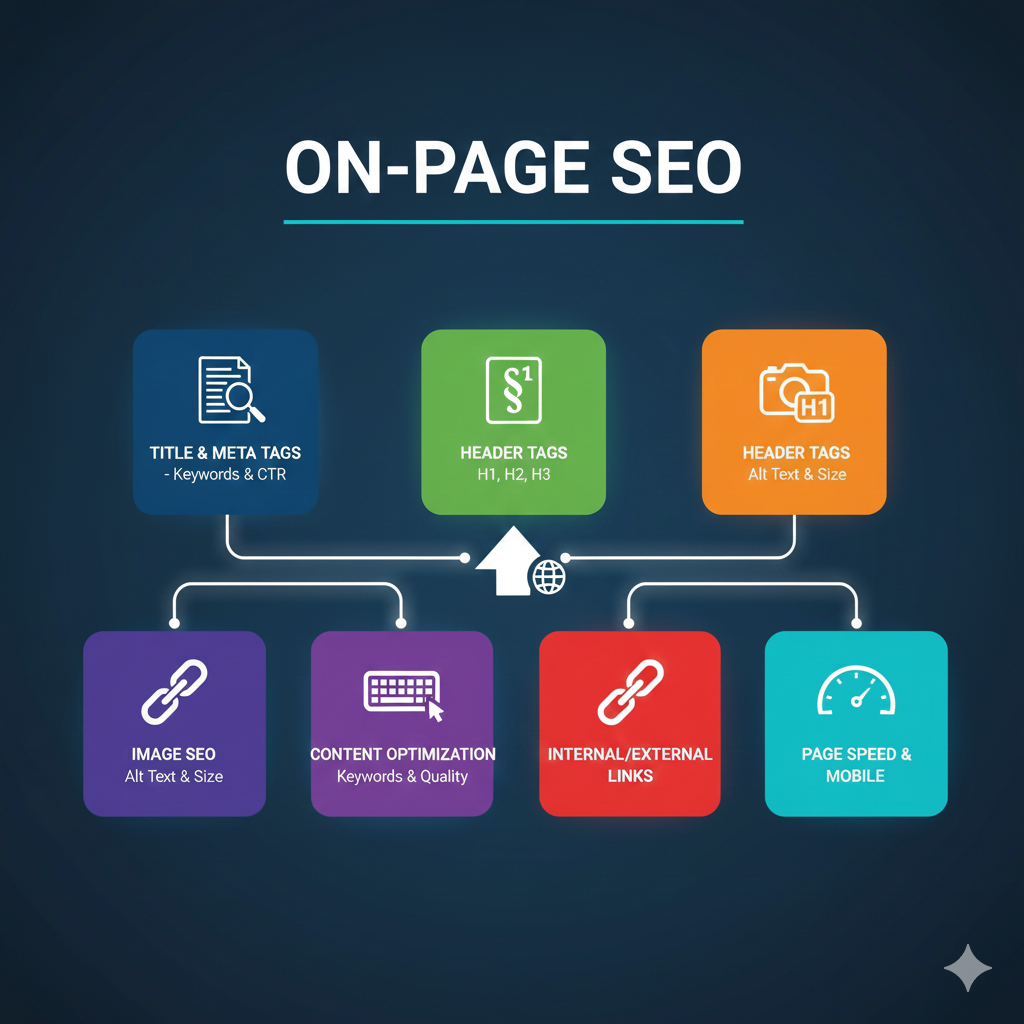
Search engines have become smarter, but one thing has not changed: websites that are clearly structured, genuinely helpful, and technically sound rank better. On page SEO is the practice that brings all of these elements together. It is the foundation on which long-term organic growth is built.
From years of real-world SEO implementation across blogs, service websites, and enterprise platforms, one fact is clear—strong on page SEO consistently improves rankings, user engagement, and conversion performance. Without it, even high-quality content struggles to achieve visibility.
Understanding On Page SEO from a Practical Perspective
On page SEO refers to optimizing individual pages so search engines can easily understand their topic, context, and value. It also ensures users find content easy to read, navigate, and trust.
Unlike off-page efforts, on page SEO is fully within your control. It combines content quality, technical structure, and user experience to align with Google’s ranking systems.
Why On Page SEO Is Essential for Google Rankings
Google’s algorithms are designed to reward pages that demonstrate relevance, clarity, and usefulness. Proper on page SEO helps search engines interpret your content correctly while delivering a better experience to users.
Benefits of strong on page SEO include:
Higher search visibility
Improved indexing and crawl efficiency
Better user engagement metrics
Increased trust and credibility
Websites with well-executed on page SEO often outrank competitors even with fewer backlinks.
Core Elements of On Page SEO That Actually Work
Effective on page SEO is not about tricks or shortcuts. It is about applying best practices consistently and intelligently.
1. Search Intent and Keyword Usage
Every successful on page SEO strategy starts with understanding search intent. Keywords must be placed naturally and serve the user’s purpose—informational, commercial, or transactional.
Best practices include:
Using the primary keyword in the title and headings
Supporting it with related terms
Avoiding forced repetition
Search engines evaluate context, not just frequency, making intent-driven on page SEO critical.
2. Title Tags and Meta Descriptions
Title tags remain one of the strongest on page SEO ranking factors. They tell both users and search engines what the page is about.
A strong title:
Clearly describes the topic
Includes the primary keyword naturally
Encourages clicks
Meta descriptions support on page SEO by improving click-through rates, which signals relevance and trust.
3. Clean and Descriptive URLs
URLs play a supporting role in on page SEO. A clean structure improves usability and indexing.
SEO-friendly URLs:
Are short and readable
Reflect page content
Avoid unnecessary parameters
Clear URLs improve both user confidence and on page SEO performance.
4. Content Quality, Structure, and Readability
Content is the core of on page SEO. Google prioritizes pages that demonstrate expertise and provide real value.
High-performing content includes:
Clear headings and subheadings
Logical flow and formatting
Practical examples
Updated and accurate information
Pages optimized with quality-focused on page SEO show better engagement and lower bounce rates.
5. Internal Linking for Authority and Navigation
Internal linking strengthens on page SEO by guiding users and distributing page authority across your site.
Benefits include:
Improved crawlability
Stronger topical relevance
Better user navigation
A thoughtful internal linking strategy is a key component of advanced on page SEO.
6. Image Optimization and Accessibility
Images enhance content but must be optimized. On page SEO requires:
Compressed image files
Descriptive filenames
Relevant alt text
This improves page speed, accessibility, and overall on page SEO effectiveness.
7. Page Speed and Core Web Vitals
User experience is central to modern on page SEO. Google measures how fast and stable your pages are using Core Web Vitals.
Key metrics include:
Largest Contentful Paint (LCP)
Interaction to Next Paint (INP)
Cumulative Layout Shift (CLS)
Optimizing these metrics improves both rankings and user trust, reinforcing on page SEO strength.
8. Mobile Optimization and Responsiveness
With mobile-first indexing, Google evaluates the mobile version of your site first. Strong on page SEO ensures:
Responsive design
Easy navigation
Readable text on all devices
Mobile usability is now a fundamental on page SEO requirement.
Common On Page SEO Mistakes That Reduce Trust
Even well-designed websites fail due to basic errors that weaken on page SEO.
Avoid:
Keyword stuffing
Thin or duplicate content
Poor heading structure
Slow-loading pages
Ignoring user intent
Fixing these issues often leads to immediate on page SEO improvements.
On Page SEO and EEAT Alignment
Google’s EEAT framework emphasizes Experience, Expertise, Authority, and Trust. On page SEO supports EEAT by:
Presenting well-structured expert content
Providing accurate and updated information
Improving transparency and readability
Enhancing overall user experience
Websites that apply EEAT-focused on page SEO are more resilient to algorithm updates.
Long-Term Value of On Page SEO
Unlike paid advertising, on page SEO builds lasting digital assets. Once optimized, pages continue to attract qualified traffic over time.
Long-term benefits include:
Sustainable organic growth
Higher conversion rates
Improved brand authority
Reduced dependency on ads
This makes on page SEO one of the most cost-effective digital strategies.
Final Thoughts
On page SEO is the backbone of search engine success. It connects content quality, technical optimization, and user experience into one cohesive strategy. By focusing on clarity, relevance, and trust, on page SEO helps websites rank higher and perform better over time.
When implemented with expertise and consistency, on page SEO not only improves rankings but also builds credibility, authority, and long-term growth in the digital landscape.
to check my website click here